

Tips for Applying to Medical Universities in Russia as an Indian Student
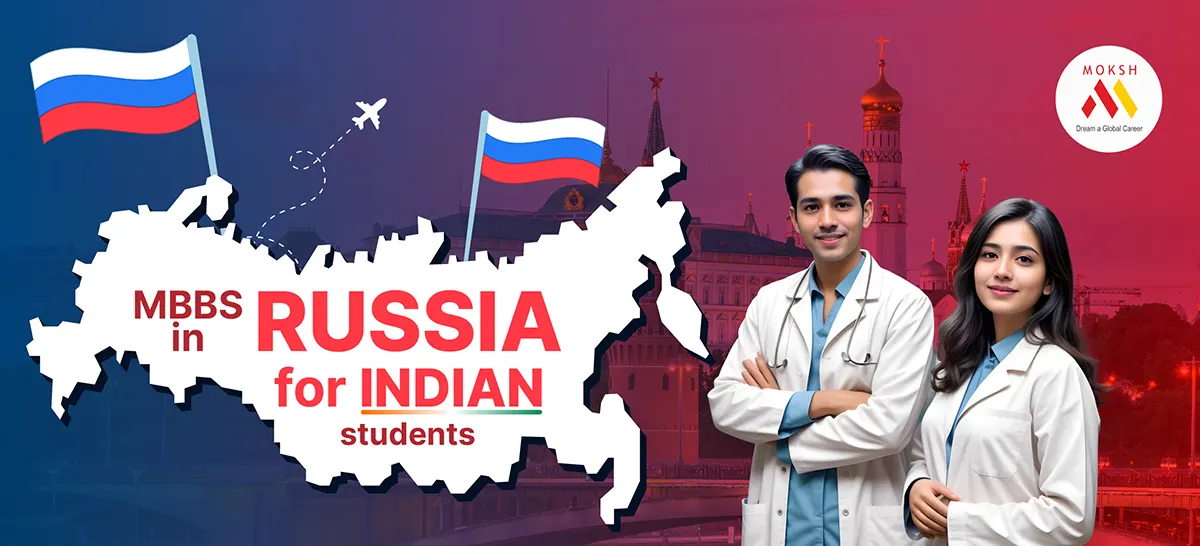
Applying to medical universities in Russia as an Indian student can be a transformative step towards a rewarding medical career. The process, while straightforward, requires meticulous planning and awareness of specific requirements. Here are comprehensive tips to help you navigate the application process successfully.
Understanding the Appeal of Russian Medical Universities
Russian medical universities are well-known for high education standards, experienced faculty, and modern infrastructure. Many of these universities are recognised by the World Health Organization (WHO) and the Medical Council of India (MCI), making degrees obtained here valid globally.
Benefits of Studying Medicine in Russia
- Quality Education: Russian medical universities provide high-quality education with a curriculum that meets international standards.
- Affordable Tuition Fees: Compared to Western countries, tuition fees in Russia are considerably lower, making it a cost-effective choice for Indian students.
- No Entrance Exams: Unlike Indian medical schools, many Russian universities do not require students to pass entrance exams like the NEET.
- Cultural Diversity: Studying in Russia exposes students to a rich cultural experience and a diverse student community.
- Global Recognition:Degrees from Russian medical universities are recognised worldwide, allowing graduates to practice in many countries.
Choosing the Right University
Selecting the right university is crucial for your academic and professional success. Here are some factors to consider:
Accreditation and Recognition
Ensure that the medical university in Russia you choose is accredited by relevant authorities and recognised by the Medical Council of India (MCI) and the World Health Organization (WHO). Some of the top universities include:
- Orel State University
- Bashkir State Medical University
- Kazan State University
- Kazan Federal University
- Crimean Federal University
- Kabardino-Balkarian State University
Language of Instruction
Many Russian universities offer medical programs in English, which is a significant advantage for Indian students. Verify whether the university provides courses in English or if you need to learn Russian.
Curriculum and Teaching Methodology
Research the university's curriculum and teaching methodology. Ensure that they certified with international standards and include practical training, which is crucial for medical education.
Infrastructure and Facilities
Check the infrastructure and facilities available at the university, such as libraries, laboratories, hospitals, and hostels. Good infrastructure enhances the learning experience.
Application Process
The application process for medical universities in Russia involves several steps. Here's a detailed guide to help you through it:
Step 1: Research and Shortlist Universities
Start by researching and shortlisting the universities that meet your criteria. Consider factors like location, tuition fees, language of instruction, and facilities.
Step 2: Check Eligibility Requirements
Each university has specific eligibility requirements. All you need to have completed your 10+2 school with a strong background in science subjects like Biology, Chemistry, and Physics. Ensure you meet the minimum percentage required by the university.
Step 3: Prepare the Necessary Documents
Gather all the necessary documents for your application. Typically, you will need:
- Completed Application Form: Fill the application form carefully.
- Educational Certificates: Include your higher secondary certificates and transcripts.
- Passport: Ensure your passport is valid for at least 18 months.
- Photographs: Provide recent passport-sized photographs.
- Medical Certificate : Obtain a medical certificate stating you are fit to study.
- NEET Scorecard: While some universities may not require it, having a NEET score can be beneficial.
Step 4: Submit Your Application
Submit your application with the required documents to the MOKSH team. Some universities may allow you to apply online through their official website. Make sure you don’t go with a fake university website.
Step 5: Receive the Invitation Letter
If your application is accepted, you will receive an invitation letter from the university. This letter is essential for obtaining your student visa. Connect with a proper study abroad consultancy so you don’t get cheated.
Step 6: Apply for a Student Visa
With the invitation letter in hand, apply for a student visa at the Russian Embassy in India. You will need to provide:
- Invitation Letter: From the university
- Passport Valid for at least 18 months
- Completed Visa Application Form: Available on the embassy’s website
- Photographs:Recent passport-sized photos
- Medical Insurance:Proof of health insurance
- Visa Fee: Pay the required visa fee
Step 7: Arrange Accommodation
Most universities provide on-campus accommodation for Indian students. Ensure you arrange your accommodation before arrival to avoid any last-minute hassles. If you are taking services for MOKSH you will get accommodation in prior.
Step 8: Plan Your Travel
Book your flight tickets and plan your travel to Russia. Make sure to arrive a few days before the start of your academic session to settle in and complete any remaining formalities.
Financial Planning and Scholarships
Studying abroad requires substantial financial planning. Here are some tips to manage your finances:
Tuition Fees and Living Costs
Understand the tuition fees and living costs in Russia. While tuition fees are generally lower in many Western countries, living costs can vary depending on the city.
Scholarships and Financial Aid
Many Russian universities offer scholarships to Indian students. Research and apply for scholarships that you may be eligible for. Some scholarships include:
- Russian Government Scholarships: These cover tuition fees and provide a stipend for living expenses.
- University-Specific Scholarships: Many universities give scholarships based on academic merit.
Conclusion
Applying to medical universities in Russia as an Indian student is a significant step towards achieving your medical career goals. You can make this journey successful by carefully researching universities, preparing your application meticulously, and planning your finances. Embrace the cultural experience, focus on your studies, and maximise available opportunities. Your dream of becoming a doctor can indeed become a reality in Russia.
.png&w=640&q=75)