

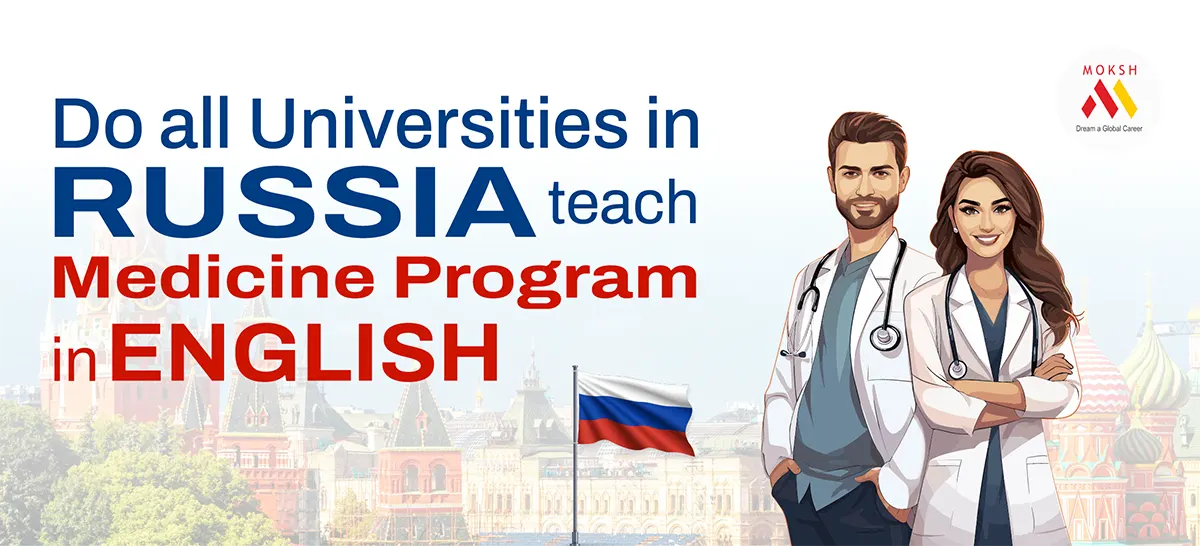
Are you thinking about studying medicine in Russia? Russia offers a great option for international students looking for a high-quality medical education at an affordable cost. One common question prospective students have is: do all universities in Russia teach their medicine programs in English?
The answer is no; not all Russian universities offer medicine programs in English. However, there are still a good number that do! This article delves into this question, examining the availability of English-taught medical programs across Russian universities, the benefits and challenges with programs, and how to choose the right university for your medical education.
Overview of Medical Education in Russia
Russia boasts a robust medical education system with numerous universities offering medical programs. These programs typically include undergraduate courses in general medicine, dentistry, pharmacy, and specialized fields such as pediatrics and surgery. Russian medical degrees are recognized worldwide, and graduates often find opportunities to practice medicine in various countries, subject to local licensing requirements.
Availability of English-Taught Medical Programs
While many Russian universities offer medical programs, not all provide English instruction. Here are some key points to consider:
Program Diversity: The range of medical specialties available in English can vary among the universities that offer English-taught programs. General medicine (MBBS) is the most commonly provided program taught in English in selective universities.
Accreditation and Recognition: Students must choose universities whose programs are accredited and recognized by relevant medical councils and organizations globally. This ensures that the degree holds value internationally.
Benefits of Studying Medicine in English in Russia
Opting for an English-taught medical program in Russia comes with several advantages:
Studying medicine in English in Russia offers several advantages:
- No Language Barrier: Students can focus on medical studies without needing to learn Russian.
- Global Recognition: Programs meet international standards, easing the path to licensing and employment in countries like the US, UK, and Canada.
- Cultural Experience: Students gain unique cultural exposure and build a global network.
- Cost-Effective: Russian medical universities offer affordable tuition compared to Western countries
Challenges of Studying Medicine in English in Russia
Despite the benefits, there are also challenges pursuing an English-taught medical program in Russia:
- Limited Availability: As mentioned, not all universities offer medical programs in English. This limits the options for prospective students, especially those looking for specific medical specializations. Beware of the fraud study abroad consultancy that will give you admission to a Russian-taught program by giving you false information, and so will your research.
- Quality and Accreditation: While many programs are of high quality, it is essential to thoroughly research and verify the accreditation status of the program and the university. Some programs may not meet international standards, which can affect future career prospects.
- Cultural Adjustment: Living and studying out of your country can be challenging. Students must adapt to a new environment, climate, and social norms, which can be a significant adjustment, especially for those far from home.
- Language Barrier Outside Classroom: While the academic instruction may be in English, daily life in Russia predominantly operates in Russian. This includes interactions with local residents, navigating the city, and accessing certain services. Learning basic Russian can be beneficial for day-to-day living.
How to Choose the Right University?
When deciding on a university for an English-taught medical program in Russia, consider the following factors:
- University Reputation: Research the university's reputation, especially in medicine. Look for rankings, reviews, and testimonials from students who are currently studying in the University.
- Program Accreditation: Ensure the medical program is accredited by relevant bodies in Russia and internationally. This is crucial for the recognition of your degree and your future career prospects.
- Curriculum and Faculty: Examine the curriculum and the qualifications of the faculty. A comprehensive and well-structured curriculum, taught by experienced faculty members, is important for a high-quality education.
- Facilities and Resources: Check the availability of modern facilities, such as laboratories, libraries, and hospitals, where you can gain practical experience. Good infrastructure supports better learning outcomes.
- Cost and Scholarships: Consider the cost of tuition and living expenses. Some universities provide scholarships and financial aid to international students, which can help manage costs.
- Student Support Services: Look for universities that provide robust support services for international students, including orientation programs, counseling, language support, and career services.
Top Russian Universities Offering English-Taught Medical Programs
Here's a table for a quick comparison between English-taught and Russian-taught medical programs:
| Aspect | English-Taught Program | Russian-Taught Program |
|---|---|---|
| Language Requirement | No need to learn Russian | Requires proficiency in Russian |
| Focus on Studies | Students focus solely on medical studies | Time divided between learning Russian and medical studies |
| Global Recognition | Often aligned with international standards | Recognized mainly in Russian-speaking countries |
| Cultural Immersion | Limited due to language barrier | Deep cultural immersion through language and environment |
| Cost | Generally higher tuition fees | More affordable compared to English-taught programs |
| Licensing Exams | Easier to qualify for exams in English-speaking countries | May require additional language exams for global licensing |
| Student Demographics | More international students | Predominantly local and Russian-speaking students |
Conclusion
While not all universities in Russia offer medical programs in English, several reputable institutions do. These programs allow international students to get a high-quality medical education in a globally recognized language. When choosing a university, it is essential to consider factors such as accreditation, reputation, curriculum, facilities, and support services. By doing thorough research and selecting the right university, students can benefit from an enriching educational experience and open doors to a successful medical career.
Studying medicine in Russia in English can be a rewarding and life-changing experience. It offers a unique blend of academic excellence, cultural immersion, and global opportunities. MOKSH will make sure to guide you through the program offered in English only and help them achieve their career goals.
.png&w=640&q=75)