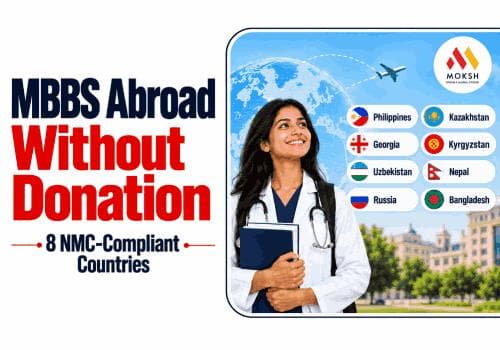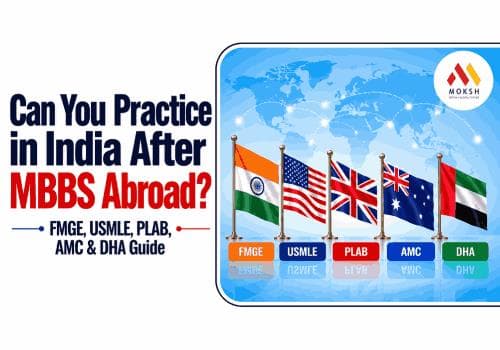


Russia remains one of the most popular destinations for Indian students pursuing MBBS abroad, thanks to its NMC-recognized universities, English-medium programs, and significantly lower cost compared to private medical colleges in India. But because the process involves both university admission and Indian regulatory compliance, it's easy to miss a step. Here's the complete, MBBS-specific application process for 2026.
Why Study MBBS in Russia?
Affordable, NMC-Recognized Education
Russia offers MBBS programs at a fraction of the cost of private medical colleges in India, while remaining fully recognized by India's National Medical Commission (NMC) - provided the university and program meet NMC's compliance requirements (see below).
Strong Clinical Exposure
Universities such as Bashkir State Medical University, Orel State Medical University, and Kazan State Medical University are known for hands-on clinical training alongside theoretical coursework.
Large, Established Indian Student Community
With thousands of Indian students already studying MBBS in Russia , new students benefit from peer support, established hostel arrangements, and consultants familiar with the process end-to-end.
Eligibility Criteria for MBBS in Russia
Before applying, confirm you meet these NMC-mandated requirements:
Minimum 50% marks in Physics, Chemistry, and Biology (PCB) in 12th standard for general category; 40-45% for reserved categories, depending on the university.
A valid, qualifying NEET-UG score is mandatory. This is non-negotiable - without it, you cannot register to practice in India after graduating, regardless of where you study.
The MBBS program must be 100% English-medium for the full 6 years. Bilingual or Russian-medium programs make graduates ineligible to appear for India's licensing exam (FMGE/NExT), even if the university itself is otherwise NMC-recognized.
The university must be NMC-recognized, listed in the World Directory of Medical Schools (WDOMS), and not subject to any current advisory restricting admissions.
Minimum 17 years by December 31st of the admission year
Documents Required
- Valid passport
- Passport-sized photographs
- 10th and 12th mark sheets and certificates
- NEET-UG scorecard (current year or within the validity period accepted by the university)
- Medical fitness certificate (including HIV-negative status, as required by Russian immigration)
- NMC Eligibility Certificate - Indian students must obtain this from the National Medical Commission before commencing MBBS abroad; it is a mandatory regulatory step, separate from university admission
- Birth certificate
- Notarized/apostilled copies of academic documents (required by Russian authorities)
MBBS Application Process for Indian Students
Step 1: Research and Choose Your University
Shortlist NMC-recognized, 100% English-medium universities. Check the university's WDOMS listing, FMGE/NExT pass rate among past students, hostel facilities, and whether it currently has any NMC advisory against it before applying.
Step 2: Confirm Eligibility
Verify your NEET-UG qualification status, 12th-standard PCB percentage, and age requirement against the specific university's criteria (see Eligibility Criteria above).
Step 3: Apply for the NMC Eligibility Certificate
Apply for your Eligibility Certificate through the NMC's official portal before finalizing your university application. This is a mandatory step for any Indian student pursuing a medical degree abroad.
Step 4: Prepare and Submit Documents
Gather the documents listed above and submit them along with your university application. Most Russian universities accept applications through an online portal or via an authorized representative/consultant.
Step 5: Receive the Admission/Invitation Letter
Once your documents and NEET score are verified, the university issues an admission letter and, separately, an official invitation letter - the invitation letter is what you'll need for your visa application.
Step 6: Apply for a Student Visa
With your invitation letter, apply for a Russian student visa. India does not currently have visa-free entry for Indian citizens; a student visa is mandatory. You'll need:
- Valid passport
- Completed visa application form
- Invitation letter from the university
- Medical fitness/HIV-negative certificate
- Proof of funds to cover tuition and living expenses
Step 7: Arrange Accommodation
Most universities offer on-campus hostel accommodation for international students. Confirm your room allocation before booking travel.
Step 8: Book Travel and Plan Arrival
Book your flight to arrive a few days before your intake begins (Russian universities typically run September and February intakes). This gives you time to settle in before classes start.
Step 9: Register with the University and Local Migration Authorities
On arrival, complete university enrollment and register with local migration authorities - required within a set number of days of arrival under Russian law. Your university's international office typically assists with this.
Step 10: Begin Your MBBS Program
Attend orientation and begin classes. The MBBS program in Russia runs 6 years (5 years of academic study plus a 12-month internship), in line with NMC's required structure for recognition.
Step 11: Plan for FMGE/NExT After Graduation
To practice medicine in India after completing your MBBS, you must clear India's licensing exam - currently transitioning from FMGE to the National Exit Test (NExT). Many students begin preparing for this exam during their final years in Russia rather than after returning.
Tips for a Successful Application
- Verify Before You Commit: Confirm a university's NMC recognition, WDOMS listing, and English-medium status independently - don't rely solely on an agent's claims.
- Start Early: Begin your NEET preparation, document collection, and NMC Eligibility Certificate application well before your target intake.
- Avoid Unverified Agents: A meaningful number of students each year are misled into bilingual or Russian-medium programs by agents who don't disclose the FMGE/NExT eligibility risk. Always cross-check directly with the university.
- Financial Planning: Budget for tuition, hostel, living expenses, and currency conversion costs, and look into education loan options early.
- Plan for Licensing, Not Just Admission: Getting into a Russian MBBS program is only step one - factor FMGE/NExT preparation into your overall academic plan from year one.
Conclusion
Studying MBBS in Russia can be a genuinely affordable, well-recognized pathway to a medical degree - but only if you get the regulatory details right from the start: a qualifying NEET score, a 100% English-medium NMC-recognized university, and your NMC Eligibility Certificate before you leave India. Skipping any of these can put your ability to practice in India at risk later, regardless of how smooth the admission process itself feels. Work through each step carefully, verify independently, and you'll be well placed for a successful medical career.
.png&w=640&q=75)