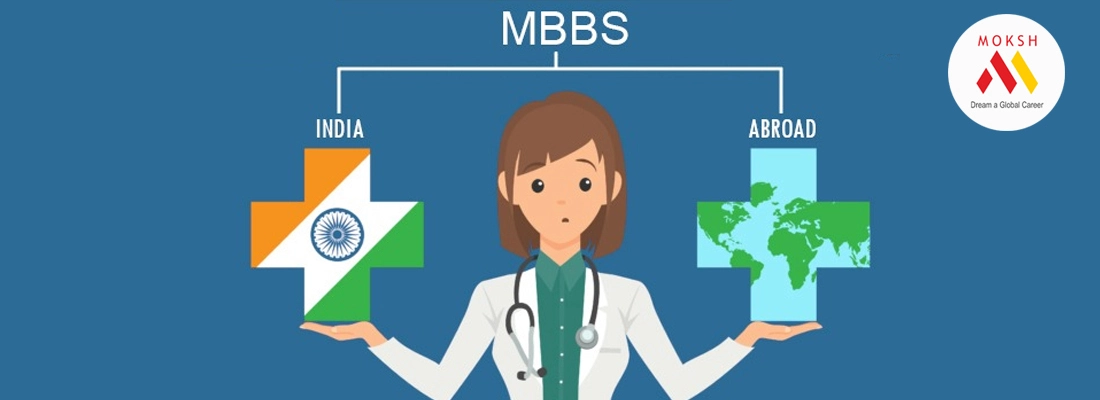
MBBS in India vs MBBS Abroad

Choosing where to pursue an MBBS degree is a big decision for aspiring medical students. In 2026, the debate between MBBS in India and MBBS abroad continues to be a hot topic. Both options have their pros and cons, and understanding these can help students make an informed choice. Let’s explore the key differences to help you decide what’s best for your medical career. 
 

MBBS in India: The Traditional Path 

India is home to some of the most reputed medical colleges like AIIMS, AFMC, and top state medical universities. Studying MBBS in India means you get to learn within your own cultural environment, making it easier to connect with patients during clinical training. 

Advantages: 

  • Recognized degree by the Medical Council of India (MCI). 
  • Affordable tuition fees compared to many foreign universities. 
  • Familiarity with local diseases and healthcare systems. 
  • Easy access to internships and residency programs within India. 
  • No language barriers in education or communication. 

Challenges: 

  • Highly competitive entrance exams like NEET. 
  • Limited seats in top colleges. 
  • Sometimes outdated infrastructure in some government colleges. 

MBBS Abroad: Exploring New Horizons 

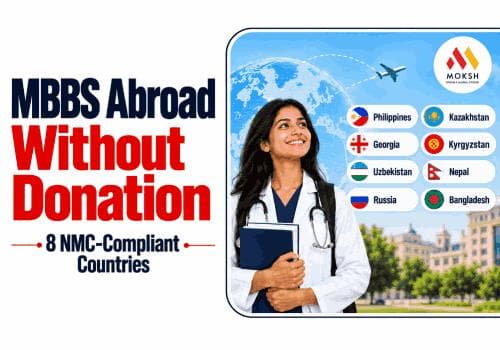
Studying MBBS abroad has gained popularity due to more affordable fees in countries like Ukraine, Russia, China, and Uzbekistan. These universities offer modern infrastructure, global exposure, and often less competitive entry requirements. 

Advantages: 

  • Lower tuition fees and living costs in some countries. 
  • Exposure to international medical education and practices. 
  • English-medium courses in many universities. 
  • Opportunity to experience new cultures and healthcare systems. 
  • Flexible admission process with no or low NEET cutoffs (varies by country). 

Challenges: 

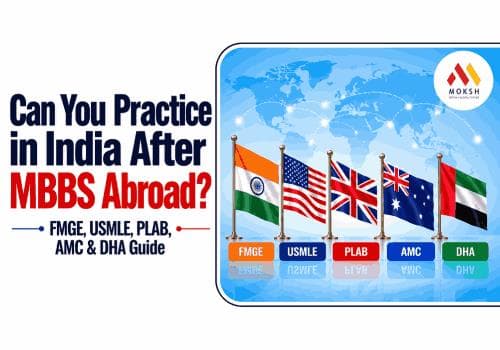
  • Degree recognition and licensing exams like FMGE (Foreign Medical Graduates Examination) required for practicing in India. 
  • Adjusting to a new culture and language. 
  • Distance from family and support system. 
  • Some universities may have variable education quality. 

Which is Better in 2026? 

The answer depends on your personal goals, financial situation, and career plans. If you want to stay and practice in India, attending a good Indian medical college may offer smoother licensing and better clinical exposure related to Indian healthcare. 

However, if you face tough competition or financial constraints, studying MBBS abroad can be a viable alternative. Just make sure the university is recognized by the National Medical Commission (NMC) and you are prepared to clear licensing exams after returning. 
Related Blogs

Top 10 Medical Colleges in Uzbekistan for Indian Students

Top 10 Medical Colleges in Uzbekistan for Indian Students

Uzbekistan is a top choice for affordable MBBS abroad, offering quality medical education to Indian students. With NMC approved universities, English-medium instruction, and low tuition fees ranging from Rs. 15-25 lakhs, it provides a cost-effective pathway. Graduates are eligible to take the FMGE exam to practice in India, making it a strategic and valuable option for your medical career.

German Visa Simplified: How Indian Students Can Study and Work in Germany

German Visa Simplified: How Indian Students Can Study and Work in Germany

Navigate the German student visa process with this 5-step roadmap for Indian students. Begin by securing your mandatory APS certificate and university admission. Fulfill financial proof with a blocked account, prepare your documents, and ace the visa interview. This pathway also outlines part-time work opportunities and the route to permanent residence after graduation.

Schengen Student Visa for Indians: A 2026 Checklist & Process Guide

Schengen Student Visa for Indians: A 2026 Checklist & Process Guide

Secure your European education with a Schengen student visa (Long-Stay Type D) for Indian students in 2026. This guide outlines the essential document checklist, including proof of financial means, university admission, and travel insurance. Apply early to the correct embassy, prepare for your interview, and avoid common pitfalls for a successful visa application and study abroad journey.

MBBS in India vs MBBS in Italy

MBBS in India vs MBBS in Italy

For Indian medical students, pursuing an MBBS in Italy offers a affordable, high-quality alternative to costly private colleges in India. With lower tuition fees, English-taught programs at NMC recognized universities, and global career opportunities, Italy provides significant value. While both paths require NEET, Italy also uses the IMAT exam, creating a viable route for a globally recognized degree.

MBBS Fees in Bangladesh vs. India - A 2026 Cost Breakdown

MBBS Fees in Bangladesh vs. India - A 2026 Cost Breakdown

For Indian students seeking an affordable MBBS degree, Bangladesh offers a cost-effective alternative to expensive private Indian colleges. With total costs ranging from Rs. 25-45 lakhs for the entire course, studying medicine in Bangladesh provides significant savings. These NMC and WHO approved medical colleges ensure your degree is valid to practice in India, making it a smart financial and educational choice for your career.

Top 10 Medical Colleges in Russia for Indian Students (2026-27)

Top 10 Medical Colleges in Russia for Indian Students (2026-27)

Planning MBBS in Russia (2025-26)? This guide compares top NMC-approved, English-medium universities, fees, hostels, and living costs, with Sept/Feb intakes and a clear admission timeline. Learn total budget (Rs. 25-50 lakhs), clinical training quality, city pros/cons, and key requirements (NEET, visa). Use our checklist to choose the best college for Indian students.


FAQs

Yes, NEET qualification is mandatory for Indian students to study MBBS abroad and practice medicine in India.

MBBS abroad can cost anywhere between $4,000 to $15,000 per year, often less expensive than private Indian colleges.

Yes, but you must clear the FMGE or the new NExT exam for foreign medical graduates.

Popular countries include Russia, China, Ukraine, Kazakhstan, and Uzbekistan.

Yes, but foreign practice may require additional licensing exams based on the country.