

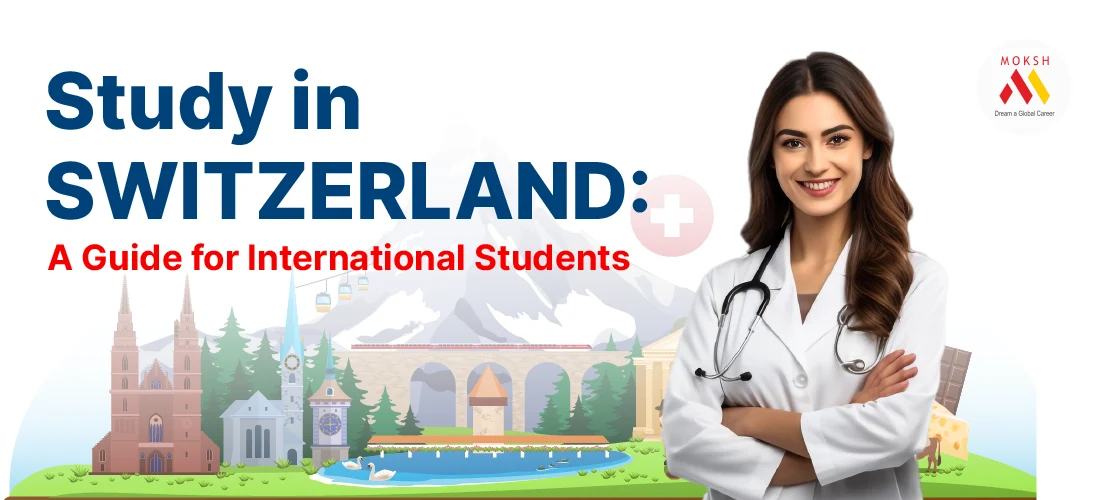
Switzerland, known for its breathtaking mountains and delicious chocolate, also boasts a world-renowned education system. This blog explores everything you need to know about studying in Switzerland, from the types of degrees offered to scholarship opportunities and cost of living. Whether you're a recent high school graduate or a seasoned professional seeking a career change, Switzerland offers a unique and enriching study abroad experience.
The Swiss Education System
Switzerland's decentralized education system grants a high degree of autonomy to its cantons (states). However, the federal government sets the guidelines for compulsory education, which lasts 11 years and is accessible at public schools. Following mandatory education, students can choose between academic or vocational tracks. The Bologna Process, a European higher education framework, is implemented in Switzerland, allowing for standardized degrees and more effortless credit transfer between institutions.
Types of Degrees in Switzerland
- Bachelor's Degree: Typically lasting three years, a bachelor's degree is the first level of university education. Some specialized fields, like medicine and information technology, may require up to five years.
- Master's Degree: A master's degree is a postgraduate program typically lasting one to two years. Completion of a master's degree is mandatory for pursuing a Ph.D. program.
- Master of Advanced Studies (MAS): This postgraduate degree is designed for professionals seeking further specialization. MAS programs typically last one to two years and involve coursework, independent study, and a master's thesis.
- Doctorate Degree: Doctoral programs in Switzerland require three to five years of full-time study and culminate in the award of a Ph.D.
The Academic Year and Language of Instruction
The Swiss academic year generally runs from September to May, divided into two semesters. The language of instruction varies depending on the region. The four official languages of Switzerland are German, French, Italian, and Romansh. Many universities offer programs in English, particularly at the master's and Ph.D. levels. International students are only sometimes required to submit English language proficiency tests like the IELTS, but some universities may have specific requirements.
Top Universities in Switzerland
Switzerland is home to several world-class universities that are consistently ranked high in international rankings. Some of the most prestigious universities include:
- ETH Zurich - Swiss Federal Institute of Technology (ETH Zurich)
- École Polytechnique Fédérale de Lausanne (EPFL)
- University of Zurich
- University of Basel
- University of Bern
- University of Geneva
- University of Lausanne
Popular Courses for International Students
Switzerland offers a wide range of attractive programs for international students. Some of the most popular courses include:
- Hotel & Hospitality Management
- Business Management
- Banking & Finance
- International Law
- Applied Mathematics
- Artificial Intelligence
- Interdisciplinary Sciences
- Quantitative & Systems Biology

Cost of Studying in Switzerland
The cost of studying in Switzerland can be broken down into two main categories: tuition fees and cost of living. Public universities generally have lower tuition fees compared to private universities. Here's a general breakdown of the costs:
Tuition Fees:
- Bachelor's degree programs: CHF 700 - 3,500 per semester
- Master's degree programs: CHF 700 - 2,000 per semester
- Cost of Living: International students' average monthly living expenses range from CHF 2,055 to CHF 2,550, depending on the city. Significant cities like Zurich and Geneva tend to be more expensive.
Requirements to Study in Switzerland
The specific requirements for admission to a Swiss university program will vary depending on the institution and program. However, some general requirements include:
- Academic transcripts: Applicants must submit transcripts from their previous educational institutions.
- Standardized test scores: GRE or GMAT scores may be required for specific programs, particularly at the master's level.
- English language proficiency: While not always mandatory, some universities may require proof of English proficiency through tests like IELTS or TOEFL.
- Statement of Purpose (SOP): A well-written SOP outlining your academic goals and motivations for studying in Switzerland is essential.
- Letters of Recommendation (LOR): At least two LORs from professors or employers can strengthen your application.
Visa Process for International Students
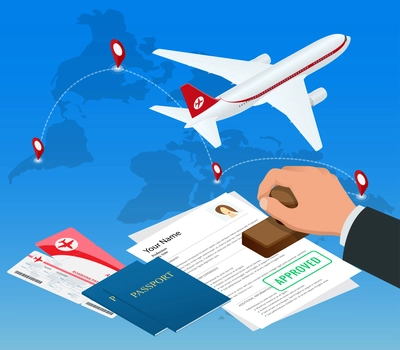
International students planning to study in Switzerland for over three months must apply for a National D Visa. The visa application process typically involves the following:
- Get Accepted into a Swiss University: This is the first and most important step! Once you have your acceptance letter, you can move on to the visa application process.
- Contact the Swiss Consulate: Find the Swiss consulate or embassy closest to you and contact them. They will provide you with specific instructions and application forms.
- Fill Out the Visa Application Form: Be sure to complete the form accurately and completely. You can usually find the application form online or at the consulate.
- Gather Required Documents: Here's a checklist of the documents you'll typically need to submit:
- Valid Passport: Your passport must be valid for at least three months after your planned return from Switzerland and have at least two blank pages for visa stamps.
- Passport-Sized Photos: Four recent passport-sized photos are required.
- Completed Visa Application Form: Ensure you've completed and signed the form ultimately.
- Cover Letter: Write a letter explaining why you want to study in Switzerland, your plans after graduation, and how your studies will benefit you. Mention that you understand you'll leave Switzerland after completing your program.
- Proof of Financial Support: You must show you have enough funds to cover your tuition fees and living expenses for your first year in Switzerland. This could be bank statements, scholarship documentation, or a sponsor's letter.
- Medical Travel Insurance: Get health insurance covering your stay in Switzerland.
- University Acceptance Letter: This is the official letter from your Swiss university confirming your admission.
- Proof of Enrollment: This document shows you're officially registered as a student at the university.
- No Objection Certificate (NOC): You may need a letter from your home university stating they have no objection to you studying abroad.
- Submit Your Application and Pay Fees: Once you've collected all the required documents, submit your application to the consulate or visa application centre. You'll also need to pay the visa processing fee.
- Wait for Approval: Processing times can vary, but a National D visa usually takes up to 10 weeks to process. The consulate will contact you once your application is reviewed.

Scholarship Opportunities
The high cost of living in Switzerland can be offset by scholarships offered by universities, the Swiss government, and private organizations. Here are some scholarship resources to explore:
- Graduate Institute Geneva Scholarships: Offered by the Graduate Institute of International and Development Studies in Geneva.
- University of Geneva Excellence Masters Fellowships: Provides full tuition waivers and living stipends for outstanding master's students.
- IMD MBA Scholarships: Offered by IMD Business School for MBA programs.
- University of Lausanne Masters Grants for Foreign Students: Partial tuition waivers for international master's students.
- Prima Grants: Offered by the Swiss National Fund for Science and Innovation to support research stays by international scholars.
- University of Zurich Scholarships for PhD Candidates: Funding opportunities for doctoral students in various fields.
- Nestle MBA Scholarships for Women from Developing Countries: Offered by IMD Business School to support female students from developing nations.
- International Postdoctoral Fellowships: Funded by the Swiss National Fund for Science and Innovation for postdoctoral research stays.
- EPFL Excellence Scholarships: Merit-based scholarships offered by École Polytechnique Fédérale de Lausanne (EPFL).
- Swiss Government Excellence Scholarships: Provided by the Swiss Confederation for international students at the master's and doctoral levels.
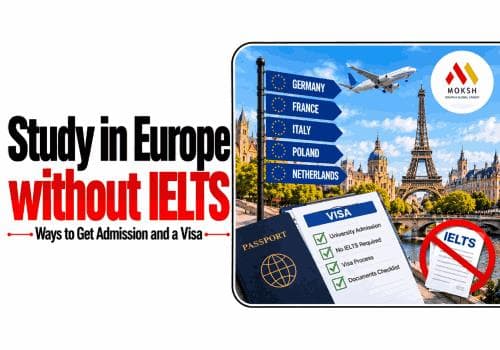
Studying in Switzerland without IELTS:
The good news for international students is that many Swiss universities offer programs where IELTS is waived. This is especially true for specific bachelor's and master's degree programs, provided you meet the academic entry requirements. Several universities have adopted a more flexible approach to English language proficiency, focusing on past academic performance in English-medium institutions. Here are some universities known for not requiring IELTS:
- University of Geneva
- University of Bern
- University of Lausanne
- University of Basel
Switzerland's Diverse Languages:
Switzerland has four official languages: German, French, Italian, and Romansh. While the local people may speak different languages depending on the region, English is widely spoken in major cities and universities. Many universities even offer entire programs taught in English!
Experience the Rich Culture of Switzerland:
Switzerland's unique location at the crossroads of Europe has resulted in a fascinating blend of cultures. From its artistic heritage to its love for nature, Switzerland offers a vibrant cultural experience you won't forget. Be sure to explore the country's rich history of music, craftsmanship, and museums, and, of course, indulge in some world-famous Swiss chocolate.

.png&w=640&q=75)