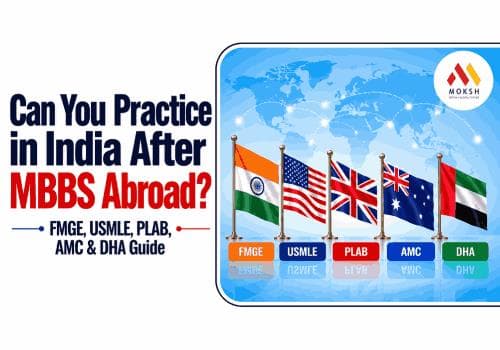


Studying MBBS abroad has become a popular option for many Indian students who dream of becoming doctors. Every year, thousands of students explore international medical universities because of limited seats and high competition in India. Countries like Russia, Georgia, Kazakhstan, the Philippines, and others have opened doors for students seeking quality medical education at a more affordable cost.
However, choosing to study MBBS abroad is a big decision. It involves financial investment, years of dedication, and careful planning. Before applying to any foreign medical university, students should understand a few important factors to ensure they make the right choice.
In this blog, we’ll discuss the key points every student must consider before applying for MBBS abroad.
Check University Recognition and Accreditation
The first and most important step is to verify whether the medical university is recognized by global and national medical authorities.
Before applying, check if the university is recognized by organizations such as:
- National Medical Commission (NMC)
- World Directory of Medical Schools (WDOMS)
- Educational Commission for Foreign Medical Graduates (ECFMG)
If a university is not recognized, you may face difficulties when applying for medical licensing exams like FMGE/NExT in India or USMLE in the United States. Always choose a university that meets the eligibility requirements set by the NMC.
Understand the Total Cost of Studying MBBS Abroad
Many students assume that MBBS abroad is cheap, but it’s important to understand the complete cost structure.
The overall expenses include:
- Tuition fees
- Hostel or accommodation charges
- Food and living expenses
- Medical insurance
- Visa and travel costs
While some countries offer affordable MBBS programs, students should plan their finances for the entire duration of the course, which typically ranges from 5 to 6 years.
Always compare multiple universities and check if there are any hidden costs before finalizing your decision.
Medium of Instruction Matters
Another key factor to consider when planning to study medicine abroad is the language of instruction.
Many universities claim to offer English-medium programs, but some subjects or clinical training may still be conducted in the local language. This can create challenges during hospital rotations when interacting with patients.
To avoid this problem:
- Confirm that the entire MBBS program is taught in English
- Check if local language training is provided for clinical communication
- Talk to current students or alumni for real feedback
A clear understanding of the language requirements can make your medical education experience much smoother.
Quality of Clinical Exposure and Hospitals
Clinical training is the heart of medical education. While classroom learning is important, hands-on training in hospitals is what prepares students to become competent doctors.
Before choosing a university, research the following:
- Does the university have its own teaching hospital?
- How many hospital beds and patient inflow are available?
- Are students allowed to actively participate in clinical practice?
Universities with strong clinical exposure provide better learning opportunities and help students gain real-world medical experience.
Consider the Licensing Exam Requirements
If you plan to practice medicine in India after completing your degree, you must clear the Foreign Medical Graduate Examination (FMGE) or the upcoming NExT exam.
Students who wish to practice in other countries may need to clear additional exams such as:
Therefore, it is important to choose a university whose curriculum aligns with international licensing exams. This will help you prepare more effectively for your medical career.
Safety, Lifestyle, and Student Support
Living in another country for several years can be a life-changing experience. Apart from academics, students should also evaluate the safety, culture, and lifestyle of the destination country.
Some questions to ask include:
- Is the country safe for international students?
- Are there Indian communities or student groups available?
- Does the university provide proper hostel and student support services?
Good student support services such as orientation programs, counseling, and academic guidance can make your journey much easier.
Choose a Trusted Consultancy or Guidance
Many students make mistakes while applying for MBBS abroad because they rely on incomplete or misleading information.
Working with a trusted medical education consultancy can help students:
- Select the right university
- Understand admission requirements
- Complete documentation and visa processes
- Receive proper career guidance
Professional guidance can simplify the entire admission process and reduce the chances of costly mistakes.
Final Thoughts
Pursuing MBBS abroad can be an excellent opportunity for students who are passionate about medicine and willing to explore global education. However, it is important to make an informed decision rather than choosing a university based only on low fees or quick admission promises.
Students should carefully evaluate factors like university recognition, cost of education, clinical exposure, licensing exam preparation, and student support before applying.
With the right planning and guidance, studying MBBS abroad can open doors to a successful and rewarding medical career.

.png&w=640&q=75)