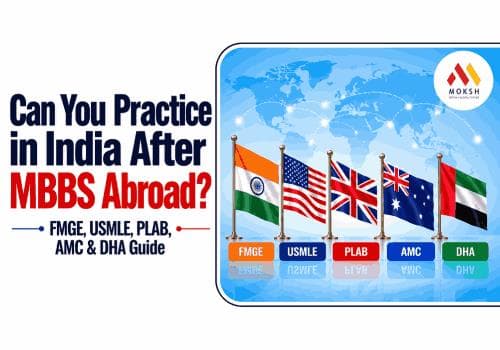


Considering a career in medicine? Did you know there's a way to earn your medical degree and qualify for residency programs in the United States all in one program? Enter Integrated American Programs (IAPs). Let's compare IAPs to the standard MBBS route and see which fits your goals best.
Standard MBBS: This traditional program equips you with a strong foundation in medicine, typically from universities abroad like Georgia. It's a great choice if you're open to practising globally.
Integrated American Programs (IAPs): This innovative program combines your MBBS studies with USMLE exam preparation, preparing you specifically for a medical career in the USA. Imagine graduating ready to hit the ground running in residency applications!
Understanding Standard MBBS
The Standard MBBS program in Georgia involves completing a detailed medical education lasting about six years. This leads to a Bachelor of Medicine and Bachelor of Surgery (MBBS) degree. Students follow a structured curriculum with theoretical studies, practical training, and clinical rotations, gaining exposure to different medical
fields. The program focuses on building foundational medical knowledge, developing clinical skills, and familiarising students with healthcare environments.
Pros:
- Provides a solid foundation in medical sciences.
- Offers hands-on clinical experience.
- Enables eligibility for medical practice in India post-FMGE/NExT exams.
Cons:
- Limited availability of specialisation options.
- Competitive entry requirements.
- Relatively low success rates in exams for Indian medical practice.
Exploring Integrated American Program (IAP)
Integrated American Medical Programs (IAPs) offer a unique path for aspiring doctors. Like those in Georgia, these programs blend MBBS education with preparation for practising medicine in the USA. Unlike traditional MBBS, IAPs focus on USMLE exam readiness from the start, providing hands-on clinical training and ECFMG certification.
Advantages include:
- Enhanced global opportunities
- Streamlined US residency pathways.
However, challenges may include rigorous coursework and intense competition. With a clear focus on preparing students for the US medical system, IAPs offer a promising route for those seeking a career in American healthcare.
Academic Curriculum Comparison
Which Program is Right for You? Deciding on the ideal program is crucial. If you aim to pursue just an MBBS in Georgia to become a General Physician, the European Medical Program at the University of Georgia is suitable. Yet, suppose your goal is to specialize, like becoming a cardiac or gynecologist in the USA. In that case, the Integrated American Program is the way to go. This program, available at select top Georgia medical universities, offers a European medicine course and integrates USMLE exam preparation.
Here's a table outlining the fundamental contrasts between the two programs:
| Feature | Standard MBBS course | Integrated American Program |
|---|---|---|
| Target | MBBS in Georgia | MBBS in Georgia + PG in USA |
| Curriculum | European medicine course | European medicine course + USMLE prep |
| USMLE exam prep | Not integrated | Integrated |
| Eligibility for US residency | Requires an additional three years after passing NExT in India | Immediately eligible after graduation |
Note: Only two Top Universities in Georgia offer the special Integrated American Program for students aspiring to study MBBS in Georgia.
Comparison of Standard MBBS and IAP Programs
Explore the key differences between Standard MBBS and IAP (International Accelerated Programs) in terms of admission process, duration, clinical exposure, accreditation, and costs. Understand which program suits your goals and needs better for pursuing a medical career.
| Topic | Standard MBBS | IAP |
|---|---|---|
| Admission Process and Eligibility | - High school completion with science subjects. | - Same as MBBS, plus English proficiency tests and sometimes SAT scores. |
| ; | - Application submission including transcripts, recommendation letters, and personal statements. | - Application process similar to MBBS, with additional requirements. |
| ; | - Deadlines typically between November and February. | ; |
| Duration and Time Commitment | - 6 years with theoretical and clinical training. | - 7 years, combining MBBS education with USMLE preparation. |
| Clinical Exposure and Practical Training | - Clinical rotations in various specialties. | - Similar clinical exposure, with a focus on US healthcare practices. |
| Accreditation and Recognition | - Recognized globally by medical councils. | - Ensure international recognition, prepare for US residency. |
| Cost Analysis | - Generally lower tuition fees. | - May have slightly higher fees due to USMLE exam prep resources. |
Cost Comparison for Integrated American Program in Georgia
Here's a comparison of the costs for the Integrated American Program at Tbilisi State Medical University (TSMU) and the University of Georgia (UG):
| University | Tuition Fees (USD) | Scholarship | Final Fees (USD) | Total Cost for 6 Years (USD) |
|---|---|---|---|---|
| Tbilisi State Medical University | $13,500 | 0 | $13,500 | $81,000 |
| University of Georgia | $10,000 | $3,000 | $7,000 | $42,000 |
Both universities, TSMU and UG, are in the centre of Tbilisi. The Integrated American Program at the University of Georgia offers fees that are half of those at TSMU. Additionally, the tuition fees for the standard European medical course are $8,000 per year, which is higher than the cost of the Integrated American Program at the University of Georgia. Reviewing the program details before considering the Georgia MBBS Fees is essential.
Career Opportunities and Global Recognition
Graduates from both standard MBBS and IAPs can practice medicine worldwide after passing the required licensing exams. They lay a solid foundation in medical knowledge and clinical skills.
On the other hand, IAPs prioritize preparing students for prestigious residency programs in the United States. The US healthcare system offers a promising career path with cutting-edge technology and vast research opportunities.

Research and Specialization Advantages:
-
Research Opportunities
Standard MBBS programs offer project-based or independent research opportunities, though formal integration into the curriculum may be limited. In contrast, IAPs prioritize research integration, providing structured activities and collaborations with US universities for exposure to cutting-edge research.
-
Impact on Your Career
Engaging in research during IAPs enhances critical thinking, analytical skills, and commitment to lifelong learning, making graduates more competitive for residency programs and future specialisations within the US healthcare system.
-
Flexibility and Specializations
Standard MBBS programs offer flexibility in choosing specialisations globally through postgraduate studies. IAPs focus on US specialities, streamlining the path to a specific specialisation within the US healthcare system.
-
Global Mobility and Residency Options
While standard MBBS degrees offer international exposure and the freedom to pursue residencies globally, IAPs provide a clear advantage in securing residency positions within the US healthcare system without excluding international opportunities based on their strong USMLE performance
Conclusion
In conclusion, weigh your long-term goals, preferred practice location, and research interests to determine the best fit for your medical aspirations. Whether you opt for the time-tested standard MBBS or the innovative Integrated American Program, let MOKSH Overseas Educon be your guide for your journey towards a fulfilling medical career that begins with a well-informed decision.

.png&w=640&q=75)